Transforming communications to improve health literacy in screening
Making sure everyone can find, understand and use our information
HSE National Screening Service
In Ireland’s HSE National Screening Service, we are transforming how we communicate to make sure everyone can find, understand and use our information. By focusing on health literacy, accessibility and inclusion, we are helping more people to make informed choices about screening.
Clear, accessible information for everyone
People need clear, trusted information to understand what screening is, decide whether to take part, and know what to expect.
We know from research that around 4 in 10 adults in Ireland have limited health literacy. People with lower health literacy levels have poorer health outcomes and are less likely to engage in preventive healthcare measures such as screening.
We’re leading the way in making sure that everyone can:
- find the information they need
- understand what they find
- use the information to make informed decisions.
This approach underpins all of our written communications – from our digital platforms to our invitation letters – and helps improve health literacy and reduce barriers to screening.
A toolkit for quality, equity and respect
We developed a comprehensive Communications toolkit to guide this work. This toolkit sets out best practice principles for creating information that is caring, clear, person-centred, inclusive and respectful. It covers everything from plain language and tone of voice to layout and structure. We support our staff by providing training and workshops on how to apply these principles consistently across our written communications.
Accessible information
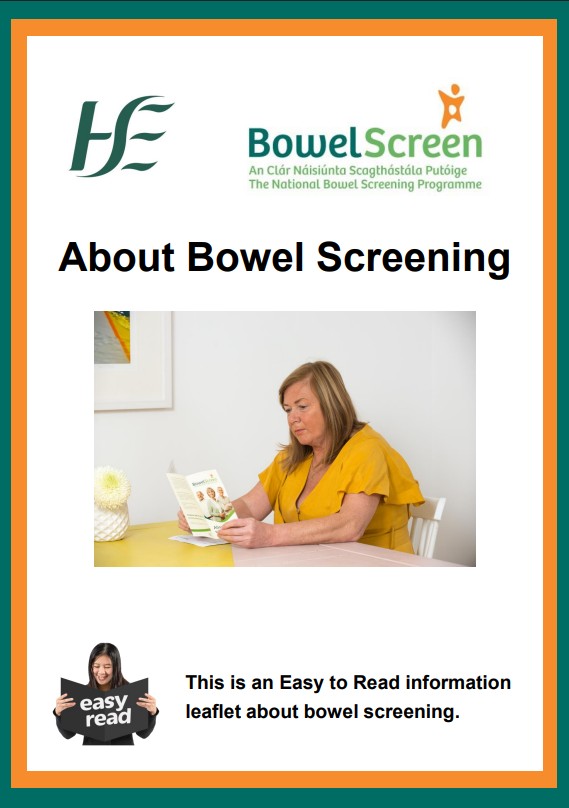
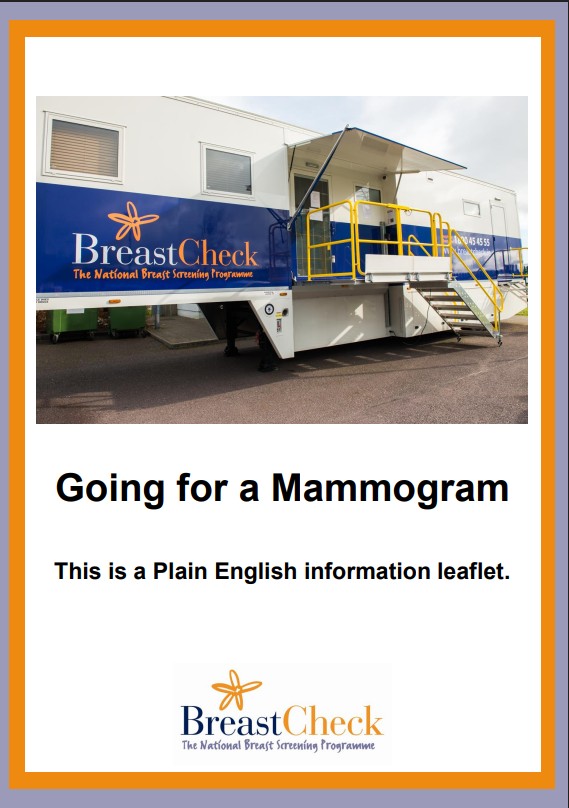
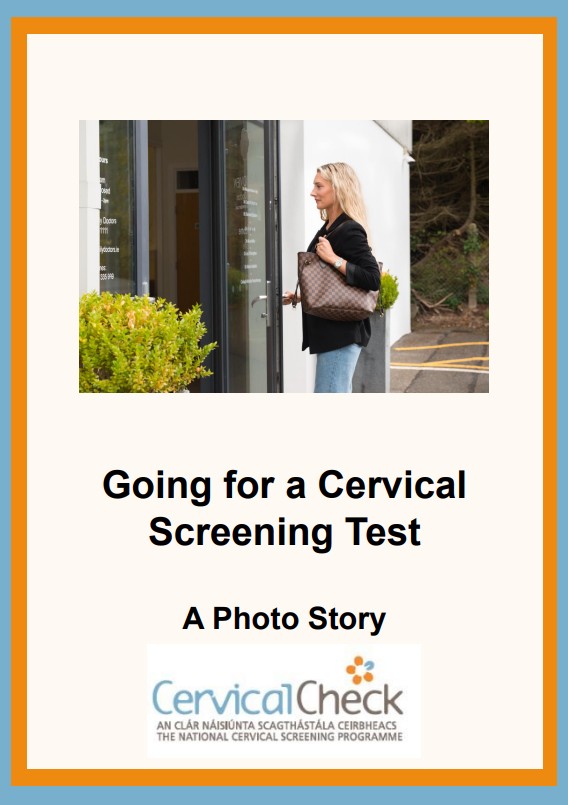
We’ve developed accessible information about our screening programmes. This means we provide information in a way that everyone, including people with disabilities, can read, understand and use. We have created easy-to-read, plain English and photo story resources. We have translated some of the resources into different languages.
Videos with Irish Sign Language
We produced videos with Irish Sign Language (ISL) to help make screening information accessible to Deaf communities. ISL is the primary language of the Deaf community in Ireland. We worked with the Irish Deaf Society to produce the videos. They helped us to make sure the content was clear, easy to understand and culturally suitable for the Deaf community. This is part of our commitment to inclusion, accessibility and improving equity in screening.
Videos in different languages
We have translated our videos into different languages, including Ukrainian, Polish, Bulgarian and Czech, to support people living in Ireland whose first language is not English.
A person-centred approach
The patient and public voice is central to our communications work. We work with people who use our screening services by engaging with local community groups and organisations. One example of this is our work with the Swords Women’s Sheds group in Dublin, and with women living with HIV, to review and update our CervicalCheck charter which we published earlier this year. These women’s voices were central to the development of the charter.
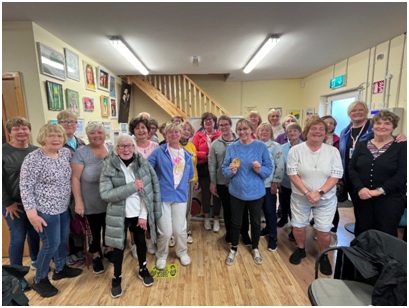
We include our Patient and Public Partnership (PPP) representatives in our information development projects. They help us to develop public information materials, from reviewing drafts to co-producing content. Examples include our invitation and results letters, our campaign messages and our screening programme reports.
Sharing our learning and expertise
We worked with our colleagues in Solas – Adult Literacy for Life programme – developing two free eLearning courses on health literacy for health and social care professionals.
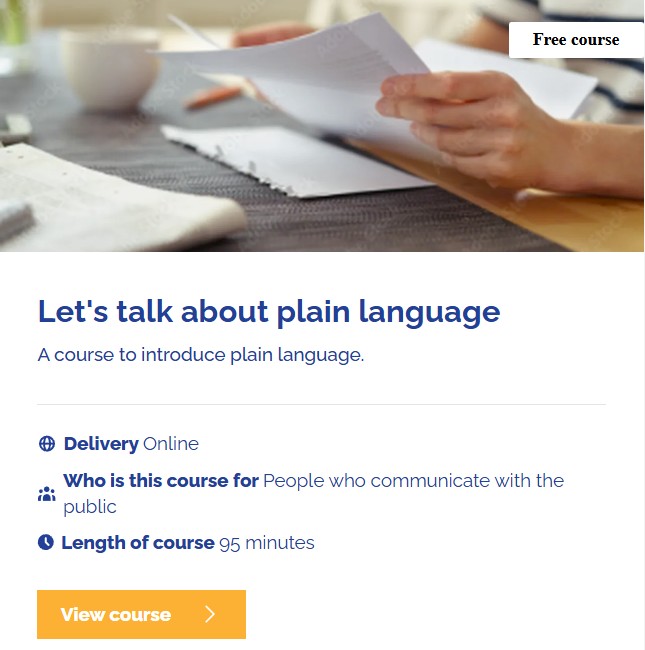
We also took part in the development of the ‘Let’s talk about plain language’ eLearning course. Good practice examples of our communications work in cervical screening and bowel screening are included in the module.
We worked with our colleagues in Ireland’s Health Service Executive to develop plain language guidelines for all HSE staff. Using these will help improve the quality of communication with people who use our services.
Addressing health literacy – improving equity
Transforming how we communicate is central to our goal to make cancer screening accessible to everyone. By implementing strategies to improve health literacy, such as clearer communication, working with communities, and training our staff, we can empower people with the information they need to make informed choices about their health, and improve equity in screening.
Increasing health literacy is more than educating people about screening – it is a vital public health strategy that can lead to improved health and wellbeing outcomes for Ireland’s eligible screening population. By addressing health literacy needs, we can enable more people to choose screening and to benefit from prevention and early detection.
Priority Area 2 relates to education, training and development, Priority Area 4 is about accessibility and inclusivity and Priority Area 5 pertains to communications. We are applying learning from these, and our Patient and Public Partnership and our Communications Toolkit to Task 6.7 (strategies to increase health literacy in cancer screening) of the EUCanScreen project.
- Find out more about our work to improve equity in screening: hse.ie/equityinscreening
- Follow the HSE National Screening Service on X @NSShse, on LinkedIn and follow the hashtag #ChooseScreening
- The National Screening Service is part of Ireland’s Health Service Executive (HSE). Keep up to date with our latest news at screeningservice.ie
Subscribe to our newsletter to get news and updates.






This project has received funding from the European Union’s EU4HEALTH Programme under the Grant Agreement no 101162959