
Consortium Event 2026 - Summary
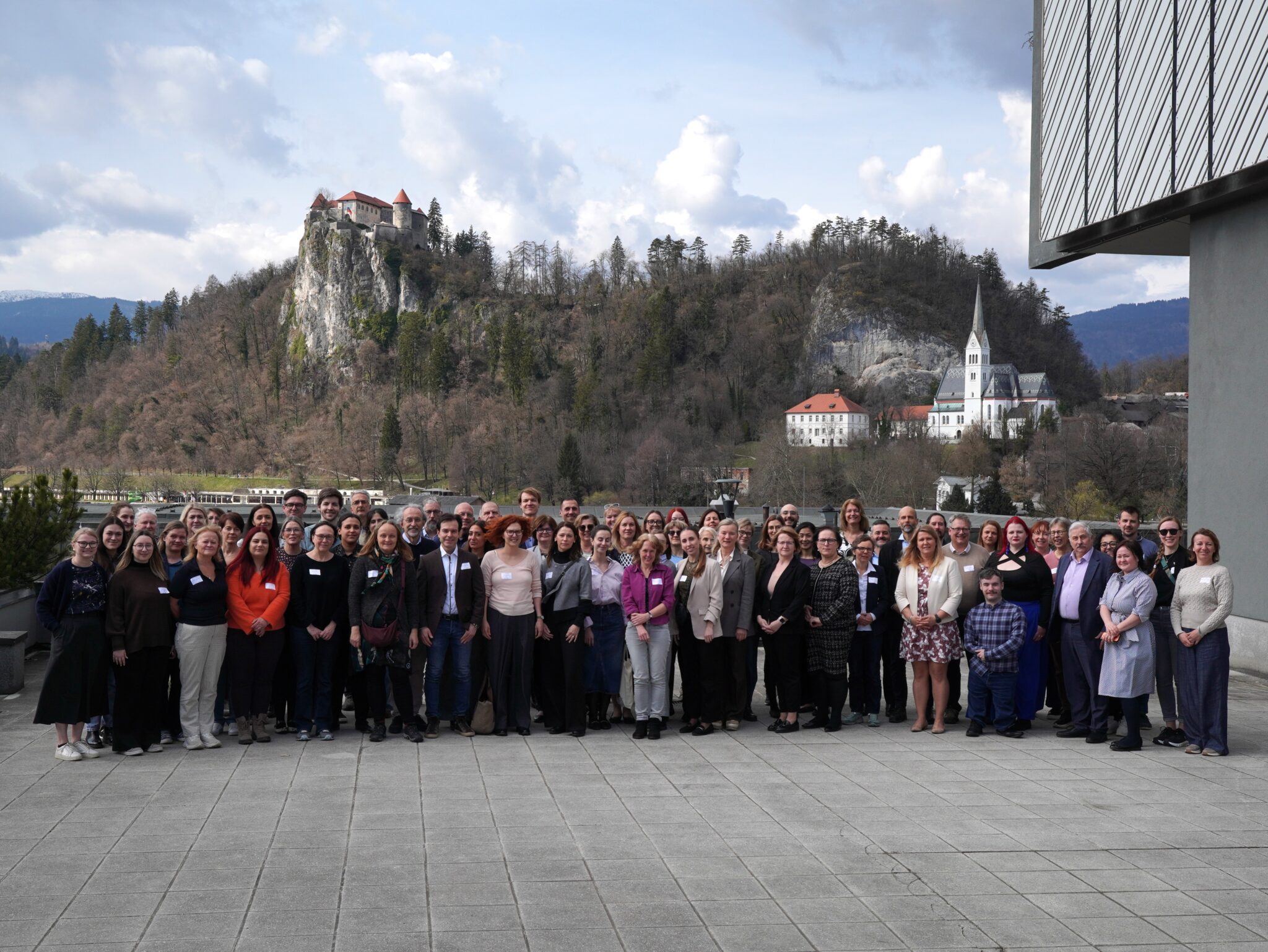
Bled, Slovenia, Mar 11-12, 2026
Agenda
Slovenia screening overview and impact.
Presenter: Mojca Gobec
The presentation reviewed Slovenia’s national cancer screening programmes, particularly colorectal and breast cancer screening. Slovenia has achieved high participation and strong integration of screening within the national health system. Breast cancer screening participation reached approximately 77% in 2024, with regional coverage between 73–82%.
The colorectal screening programme has contributed to reductions in colorectal cancer incidence through the detection and removal of precancerous lesions during colonoscopy. This preventive effect, combined with earlier-stage detection, contributes to improved treatment outcomes and survival.
Key success factors highlighted included strong programme leadership, support from the Ministry of Health, engagement of primary care physicians, and the role of nurses in building trust and encouraging participation.
The presentation also noted the favourable political environment and broad support for organised screening programmes in Slovenia. Future discussions include possible expansion to additional screening programmes such as prostate and lung cancer screening.
Dutch experience with lung cancer screening.
Presenter: Harry de Koning
This presentation summarised evidence and implementation experience from lung cancer screening programmes in the Netherlands, with reference to the NLST and NELSON trials. Both studies demonstrated that low‑dose CT (LDCT) screening reduces lung cancer mortality and shifts diagnosis toward earlier stages.
LDCT screening frequently detects pulmonary nodules, with nodules appearing in roughly half of baseline scans. To avoid unnecessary diagnostic procedures, the Dutch programme applies a volume‑based nodule management algorithm:
- 100 mm³ – negative
- 100–300 mm³ – indeterminate, requiring surveillance
- ≥300 mm³ – positive, requiring diagnostic follow‑up
Implementation studies reported a positive predictive value of around 40% for referred nodules and referral rates of approximately 2.2% across screening rounds. Risk‑based selection using a questionnaire based on PLCO models was used to identify eligible individuals aged roughly 60–79.
Key implementation challenges include CT capacity, treatment infrastructure, governance structures, and management of incidental findings. Incidental clinically relevant findings occur in roughly 2–3% of scans and require clear reporting protocols. Estimated screening costs are around €100–150 per scan, with modelling studies indicating overall cost‑effectiveness.
Capacity building activities in EUCanScreen
Presenter: Jaroslaw Regula
Task 11.3 focuses on improving the quality of colonoscopy training by training experienced endoscopists to become effective trainers. The programme emphasises “teaching the teachers” rather than teaching technical colonoscopy skills directly.
Courses are small, with approximately eight participants, and run as two‑day interactive programmes combining theoretical teaching, simulation models, and supervised clinical practice.
Evidence from a prior randomized controlled trial indicates that such trainer education can significantly improve adenoma detection rates (ADR), with sustained effects observed for up to two years.
Four courses are planned within the programme. The first course was recently held in Oslo and additional courses are scheduled later in the year.
Presenter: Mario Dinis Ribeiro, Patricia Sousa Alves
The ELK & Screen training programme focuses on improving the quality of upper gastrointestinal endoscopy training using a blended learning model.
The programme includes asynchronous webinars, synchronous online sessions, peer‑review activities, and face‑to‑face workshops. Three course editions are planned with in‑person sessions in Porto and Kaunas.
Approximately 80 applicants from 24 countries applied to participate. Participants are primarily gastroenterologists with responsibilities for training within their institutions.
Peer‑review activities included assessment of 95 submitted endoscopy videos. Accreditation processes are ongoing and the programme is supported by the European Society of Gastrointestinal Endoscopy (ESGE). Upcoming milestones include in‑person sessions in Porto and Kaunas, followed by post‑course evaluation and testing.
Presenter: Hilde K. S. Underthun
Task 11.5 aims to strengthen colposcopy training through a train‑the‑trainer approach. The programme uses a blended training format including preparatory reading, online sessions, and in‑person workshops.
Courses have been delivered in several countries including Norway, Latvia, and Slovenia. The training focuses on developing trainer competencies and introducing structured feedback methods.
Participants receive practical tools such as a laminated feedback framework to support implementation of training activities in their own clinical settings.
Future activities include development of a comprehensive colposcopy course package for the learning platform, specialist training courses, and multidisciplinary training workshops aimed at improving quality assurance and guideline implementation
Presenter: Zsuzsanna Mikos
Task 11.6 focuses on strengthening capacity for LDCT lung cancer screening through radiologist training and quality assurance activities.
Nine three‑day training courses for radiologists have been organised in Budapest, Florence, and Kaunas, with 94 participants from 15 countries. The courses combine lectures with hands‑on interpretation of CT scans.
A Central European Training Centre in Budapest is being developed to support future training activities. Additionally, an accredited online course on LDCT screening is available on the WHO learning platform.
The team is developing an audit handbook defining quality criteria for LDCT screening programmes, with the first draft expected in September. Two expert webinars are also planned addressing incidental findings and cardiovascular findings in chest CT.
Summary and information on other WP11 activities.
Presenter: Dana Coza
Work Package 11 coordinates multiple training initiatives across different cancer screening domains. Seven specialised training programmes have been established covering both established and emerging screening modalities.
Training formats include face‑to‑face, blended learning, and online courses. The programme aims to train approximately 572 participants through face‑to‑face or blended formats, while online courses have no capacity limits.
In the previous year, 156 participants were enrolled across WP11 courses. Leadership training activities are also planned, including workshops scheduled for 2027 and 2028 based on a rapid review conducted in collaboration with WHO experts.
The work package also supports regional training centres and aims to ensure sustainability of training programmes beyond the duration of the joint action.
Consolidated EU Barrier Assessment tool (T4.3)
Presenters: Kayo Togawa, Silvia Deandrea
This session presented the consolidated barrier assessment framework developed under Task 4.3. The tool integrates three existing approaches: a PRECEDE‑PROCEED–based screening planning model, the Intervenor web tool for barrier assessment and interventions, and Utopia East implementation roadmaps.
The resulting tool, called UCAN Stream, is an Excel‑based strategic planning instrument designed to support countries in identifying barriers to screening implementation and selecting appropriate interventions.
The tool assesses 81 system‑level barriers and helps users link barriers to evidence‑based interventions and implementation strategies. Outputs include visual analyses based on the Tanahashi framework to identify bottlenecks in service coverage.
The tool is currently undergoing pilot testing in several countries. Results and user feedback will be used to refine the methodology and finalise the toolkit. given.
Toolkit and the data platform for toolkit.
Presenter: Mari Nygard
This presentation introduced the EUCanScreen implementation toolkit designed to support cancer screening programmes in improving participation and reducing inequalities.
The toolkit is intended to provide practical implementation resources rather than simply presenting information. Planned resources include templates, communication strategies, training materials, checklists, dashboards, and multimedia tools.
The European Cancer Leagues organisation was selected as the long‑term host for the toolkit. The platform will include search functionality, multilingual content, modular design, and potentially AI‑supported literature querying tools.
The toolkit aims to support policymakers, screening programme managers, and public health organisations in translating evidence into practical programme improvements.
WHO data platform to host the training programmes.
Presenter: Anouk Berger
The WHO Academy learning platform hosts several EUCanScreen training courses, including public courses on lung cancer screening and additional cohort‑based courses under development.
However, technical constraints related to authentication and reviewer anonymity have created challenges for accreditation processes, particularly with the European Accreditation Council for Continuing Medical Education.
The consortium is considering a joint letter to accreditation organisations requesting adapted procedures for reviewing courses hosted on the WHO platform.
Platform support staff changes were also announced, and coordination with task leaders will continue to ensure smooth implementation of training programmes.
MAS-AI tool (T4.4)
Presenter: Iben Fasterholdt
The MAS‑AI (Model for Assessing Artificial Intelligence) tool supports decision‑makers in evaluating AI technologies for healthcare systems. The model provides a structured framework for assessing clinical, organisational, economic, and ethical aspects of AI implementation.
The EUCanScreen project is adapting the MAS‑AI framework for the European context. Development activities have included expert workshops and Delphi consultations involving consortium partners and external experts.
A draft scientific publication describing the updated model is currently under review, and the tool is expected to support evidence‑based procurement and implementation decisions for AI technologies in screening and healthcare services.
Task meeting feedback and first reflections after financial report submission.
Presenter: Iveta Enina
Project announcements, periodic reporting requirements, and financial updates.
Status of the publication and scientific presentation reporting. Summary on the key upcoming events.
Presenter: Marcis Leja
The session emphasised the importance of systematically reporting all scientific outputs generated within the project, including peer-reviewed manuscripts, conference presentations, posters, and PhD theses. Participants acknowledged that current reporting is incomplete, with only six full-text manuscripts formally logged, indicating that additional outputs exist but have not yet been captured. All materials should be uploaded to the SharePoint outputs log in standardised formats (PDF or presentation slides) to ensure traceability, enable technical review, and support accurate project-level reporting and evaluation.
Manuscript coordination is currently managed centrally, with Yelena leading operational activities. Partners are encouraged to actively collaborate, share draft manuscripts, and align with internal review processes. In addition, partners were reminded to inform the project coordinator about planned conference participation and submitted abstracts, and to consult the project webpage for updates on upcoming events and dissemination opportunities.
WP2 Update
Presenter: Apostolos Vantarakis
WP2 presented an overview of dissemination objectives and ongoing activities, including the development of the project identity, video and podcast materials, and regular coordination through dissemination and communication committee meetings. Website and newsletter analytics were reviewed, highlighting persistent gaps in KPI reporting and relatively low engagement levels, particularly across social media channels. Few countries and competent authorities have not yet submitted required KPI data, limiting the ability to assess dissemination performance and overall impact. Partners were strongly encouraged to provide missing data and to increase their engagement in dissemination activities. The project is currently in the data collection and reporting phase, with an interim report planned for submission at the end of July. An internal review period is scheduled from 18 May to 8 June, during which work package representatives are expected to provide structured feedback. The team confirmed completion of the brand book and initial campaign materials, including interviews and video production. With a success, a structured monthly country-focused campaign has been introduced, incorporating new dissemination tools as storytelling elements such as ‘meet the people’. Special emphasis was placed on ensuring accessibility, inclusivity, and cultural sensitivity of all communication outputs, as well as on developing sustainability strategies to maintain dissemination activities beyond the project’s duration.
Efforts to establish synergies with other projects are ongoing, although response rates remain limited. Discussions addressed potential collaboration formats, including both formal agreements and informal cooperation mechanisms.
WP5 Update
Presenter:Tytti Sarkeala, Carlo Senore
WP5 focuses on improving data harmonisation, developing open-source monitoring tools, and enabling cross-border research in alignment with the European Health Data Space (EHDS). A comprehensive survey was conducted across 27 countries (with 26 confirmed responses at the time of reporting and additional responses expected), aiming to map legal frameworks, data availability, linkage capabilities, and monitoring practices. The survey revealed substantial heterogeneity across countries.
Approximately 65% of respondents reported the existence of national health data legislation, while only 27% indicated the presence of screening-specific legal frameworks. Regarding data linkage, 68% of countries reported the ability to link screening data with cancer registries, and 56% reported linkage with mortality registries, although practical implementation varies. Consent models differ considerably: around 50% of countries reported no active consent requirement, 19% operate under opt-out systems, and approximately 15% require explicit opt-in consent, reflecting diverse regulatory and ethical approaches. Countries have implemented measures to reduce access barriers, including free screening services (reported in approximately 80% of cases), multilingual communication materials (around 50%), and the use of community mediators (approximately 30–40%). However, information systems remain fragmented in many settings and are often not fully integrated across clinical pathways. In particular, many systems lack linkage to diagnostic outcomes, staging information, and treatment initiation data, limiting their usefulness for monitoring and evaluation.
Routine data stratification is commonly performed by age and sex (around 70% of countries) and by geographic area (approximately 65–89%), but stratification by socioeconomic status, country of birth, or individual risk factors remains limited (generally below 20%). As a result, around 80% of screening programme evaluations do not adequately assess social inequalities.
To address these gaps, WP5 has developed an R-based monitoring package and a first set of harmonised indicators. A phased pilot implementation is planned, including preparation and onboarding (April), technical setup (May), testing (June), and broader rollout after the summer. Countries and organisations were invited to participate in the piloting phase and to validate survey findings, particularly in cases where regional variability or interpretation issues may affect data accuracy.
WP6 Update
Presenter: Mari Nygard
WP6 presented ongoing work on identifying and addressing barriers and facilitators to cancer screening participation. A key development is the creation of a web-based tool using large language models to synthesise stakeholder input and generate structured insights. Systematic reviews covering colorectal, breast, and cervical screening identified common barriers such as lack of time, insufficient knowledge, fear, cultural factors, and mistrust. Facilitators include improved information provision, positive screening experiences, and perceived health benefits.
The work package is also developing targeted interventions for vulnerable populations, including migrants and individuals with intellectual disabilities, using culturally adapted materials and tailored communication strategies. Randomised trial protocols have been prepared and are currently undergoing ethical review. These studies aim to evaluate the effectiveness of different communication approaches, including the role of social media in increasing participation rates.
Additional work focuses on inclusion of gender minorities and improvement of health literacy, with plans to develop practical tools and guidance for implementation in screening programmes.
WP7 Update
Presenter: Gemma Binefa Rodriguez, Marcos Castejon Suner
WP7 presented a comprehensive set of activities focusing on quality assurance, data harmonisation, and the integration of artificial intelligence in cancer screening.
A structured quality review of 182 screening information materials across countries assessed dimensions such as transparency, completeness, readability, and presentation. The results showed consistently low transparency scores, highlighting gaps in communicating benefits, risks, and uncertainties to target populations. Country-level results were shared with partners for validation and benchmarking.
A Europe-wide quality assurance survey has been completed, with follow-up interviews planned to clarify regional inconsistencies and better understand organisational differences in screening delivery. Task 7.2 focused on interval cancer definitions and reporting. Separate working groups for colorectal, breast, and cervical screening completed literature reviews, identifying substantial heterogeneity in definitions, denominators, and registry practices. A modified Delphi process and consensus meetings are planned for 2026 to establish harmonised definitions and multi-level performance indicators.
Task 7.3 is developing a white paper on responsible and scalable implementation of artificial intelligence in screening programmes. The draft is currently under internal review, and consortium members are invited to nominate stakeholders for validation and provide country-specific perspectives.
Task 7.4 reported completion of multiple surveys on invitation strategies and progress in literature review, with data analysis ongoing and publications expected in later phases.
Task 7.5 is progressing from conceptual decision-aid models to the development of a web-based decision aid builder. The platform will include templates, co-creation functionalities, and dashboards for monitoring use and outcomes. Key challenges include regulatory classification (e.g., potential medical device status), integration into existing health systems, and ensuring accessibility and usability across diverse populations.
WP8 Update
Presenter: Ildiko Toth
WP8 focuses on expanding cancer screening to lung, gastric, and prostate cancers through harmonised methodologies and pilot implementations.
A comprehensive white book is under development, with organ-specific sections (~50 pages each) and contributions from multiple partners, alongside an interim report expected in May. Work builds on previous initiatives such as TOGAS, with additional efforts to define quality indicators and harmonise data collection across heterogeneous data sources.
A multilingual data platform is being developed, including standardised consent forms and data definitions, with support from an external subcontractor. The EUGastScreen pilot will evaluate the feasibility of combined gastric and colorectal screening using remote testing and Helicobacter pylori detection followed by eradication therapy. The pilot involves several countries (e.g., Estonia, Italy, Latvia, Portugal), with the possibility of additional sites joining subject to local funding. Operational challenges identified include sample collection logistics, test accuracy, and seasonal effects on sample transport and processing.
In addition, Task 8.5 integrates intensive smoking cessation interventions into lung cancer screening programmes. Randomised pilot studies are currently ongoing in Finland and Hungary, with harmonised protocols and recruitment conducted between February and May 2026.
WP9 Update
Presenter: Paola Mantellini
WP9 focuses on advancing risk-based cancer screening and supporting its implementation across member states.
A large umbrella survey collected 64 responses from 21 countries, highlighting ongoing and planned risk-based screening activities across multiple cancer types, particularly breast and cervical screening. A complementary communication survey covering 33 countries identified commonly used tools, including websites, tailored invitation letters, leaflets, SMS reminders, and decision aids. Interviews with 11 cervical screening pilot programmes have been completed, providing insights into algorithms, risk thresholds, organisational structures, legal frameworks, and IT/data management challenges. Further interviews are planned for colorectal screening initiatives.
The WP is transitioning towards qualitative research using focus groups. Five cancer-specific focus groups (breast, colorectal, cervical, lung, prostate) will be conducted using purposive sampling (6–8 participants per group), covering both participants and informed non-participants. The aim is to explore perceptions, acceptability, and informed decision-making related to risk-based screening. Data analysis will follow a combined deductive and inductive thematic approach, using shared codes and themes across countries, while reporting will remain at country level without sharing transcripts.
A comprehensive implementation toolbox is being developed, integrating evidence from surveys, interviews, systematic reviews, and focus groups, with plans to apply consensus methods to prioritise tools and recommendations for member states.
WP10 Update
Presenter: Iris Lansdorp – Vogelaar
WP10 presented modelling work aimed at supporting evidence-based screening policy decisions.
Models have been calibrated across multiple countries and cancer types, showing good alignment with observed data. Risk-based screening approaches may significantly reduce the target population, thereby improving efficiency and cost-effectiveness. Gastric cancer modelling identified strategies that balance effectiveness and cost, while also highlighting potential risks associated with antimicrobial resistance.
Preliminary analyses of multi-cancer early detection technologies suggest only modest additional benefits compared to existing screening methods and highlight uncertainties regarding performance. The findings support a cautious approach and do not currently justify replacing established screening programmes.
WP3 Update
Presenter:Ludwig Grillich
WP3 presented evaluation activities, acting as a ‘critical friend’ to assess overall project performance, implementation, and accountability.
The consortium is currently in the data collection phase, with an interim report scheduled for July.
Survey results indicate generally positive perceptions of project progress, but the response rate remains low (approximately 20%), limiting representativeness. Identified challenges include communication gaps, uneven engagement across partners, and resource constraints. Planned actions include targeted mini-surveys and SWOT workshops to strengthen governance, improve feedback mechanisms, and support strategic planning.
WP4 Update
Urska Ivanus, Paolo Giorgi Rosso, Kayo Togawa, Andre Carvalho
WP4 focuses on ensuring the long-term sustainability and effective implementation of EUCanScreen project outcomes beyond the duration of the joint action. The work package addresses both strategic and operational dimensions of sustainability, including stakeholder engagement, capacity building, and integration of project results into national screening programmes.
A central component of WP4 is the development of a structured stakeholder network, designed to support dissemination, implementation, and policy uptake of project results. The network is intended to function in an advisory capacity, complementing existing governance structures such as the governmental advisory board. It will include representatives from European institutions (e.g., European Commission Directorates), international organisations (e.g., WHO Europe, IARC), national health authorities, and relevant professional and digital health stakeholders. Regular meetings (approximately every six months) are planned to ensure continuous engagement and feedback.
WP4 also emphasises the importance of aligning sustainability activities with existing dissemination and stakeholder mapping efforts, particularly those conducted under WP2. An updated stakeholder mapping database is maintained and will be regularly revised to ensure coordination across work packages and to support targeted communication strategies.
WP4 also introduced conceptual work on sustainability, including a framework linking screening intensity and country resource levels to sustainability risks. This approach highlights that high-intensity screening programmes implemented in low-resource settings may face significant long-term sustainability challenges, underlining the importance of context-sensitive implementation strategies.
In addition, WP4 is developing practical sustainability support tools, including workshops, guidance materials, and a web-based learning platform, partly building on outputs from WP11 and collaboration with international partners such as IARC. These tools aim to facilitate knowledge transfer, support capacity building, and ensure that project innovations can be maintained and scaled after project completion.
Overall, WP4 plays a critical role in bridging technical project outputs with real-world implementation, ensuring that results are not only generated but also effectively adopted, maintained, and integrated into European cancer screening systems.
Status of the surveys and data collection
Presenter:Tala Haddad
The session provided an overview of the current status of surveys and data collection activities across the project. Participants noted that, despite ongoing efforts, awareness of active surveys remains limited among some consortium members, leading to missed participation opportunities.
To address this issue, a proposal was made to introduce a publicly accessible overview table on the project website, listing all ongoing surveys, relevant links, and associated documentation. This would improve transparency and facilitate broader engagement across partners.
It was confirmed that an internal tracking table of survey activities already exists within the project. This table includes detailed information on survey status, timelines, and responsible work packages, and can be shared more widely within the consortium to improve coordination.
At the same time, it was clarified that detailed survey results will remain restricted to the internal project environment (project console) and will not be made publicly available, in order to ensure data protection and appropriate use of sensitive information.
Overall, the discussion highlighted the need for improved communication and visibility of data collection activities, as well as better coordination across work packages to maximise participation and data completeness.
Update on the Stakeholder Network
Presenter: Marcis Leja
The session provided an update on the development of the EUCanScreen stakeholder network, which is being established under WP 4 to support dissemination, implementation, and policy uptake of project results.
The stakeholder network is designed as an advisory, non-binding structure, distinct from the governmental advisory board. Its main role is to provide expertise, facilitate communication, and support the translation of project outcomes into practice across European cancer screening systems.
The network will include a broad range of stakeholders, such as representatives from European institutions (including relevant European Commission Directorates), international organisations (e.g., WHO Europe, IARC), national health authorities, professional organisations, and actors involved in digital health and screening infrastructure.
An existing stakeholder mapping database—initially developed under WP2—is being further expanded and will be regularly updated (approximately every six months). This mapping aims to ensure coordinated engagement, avoid duplication of efforts, and support targeted dissemination activities across work packages.
A major planned activity is a European stakeholder conference, tentatively scheduled in Rome. The event is intended to engage high-level policymakers and decision-makers and will include parallel workshops aligned with core work packages. The primary objective of the conference is dissemination of project results, while also fostering collaboration and policy dialogue.
However, several challenges were identified, including budget limitations, uncertainties regarding travel support for participants, and the need to clearly define the target audience. Discussions emphasised that the event should prioritise policy-level stakeholders rather than purely technical audiences.
Additional considerations included potential collaboration with other European projects and funding initiatives (e.g., DG Connect), as well as careful handling of industry involvement, which should remain limited and clearly separated from policy-focused discussions.
Overall, the discussion highlighted the importance of strategic stakeholder engagement, clear positioning of the network, and strong coordination across work packages to maximise the long-term impact of the project.
Implementation of Decision Aids in cancer screening programmes.
Presenter: Montse Garcia, Cinzia Colombo, Marcos Castejon Suner
The meeting transitioned to a workshop under Task 7.5 focusing on the implementation determinants of web-based decision aids in cancer screening programmes. The session was organised in a hybrid format and actively engaged consortium members in interactive discussion.
The presenters summarised findings from an extensive literature review, which identified only a limited number of relevant studies. This highlighted a significant evidence gap and underscored the need to draw on consortium expertise to identify key barriers and facilitators for the implementation of web-based decision aids.
Clear instructions were provided for participation in the hybrid workshop format. The session utilised Slido as an interactive tool to collect input from participants. Attendees were asked to use their own devices to access questions and thematic prompts.
Participants were invited to respond from the perspective of their own screening context and to submit individual contributions in a structured format. Each response was required to include a single idea, specify whether it represented a barrier or a facilitator, and indicate the relevant screening programme. Multiple submissions were encouraged to capture a broad range of perspectives.
Subscribe to our newsletter to get news and updates.






This project has received funding from the European Union’s EU4HEALTH Programme under the Grant Agreement no 101162959