University of Latvia
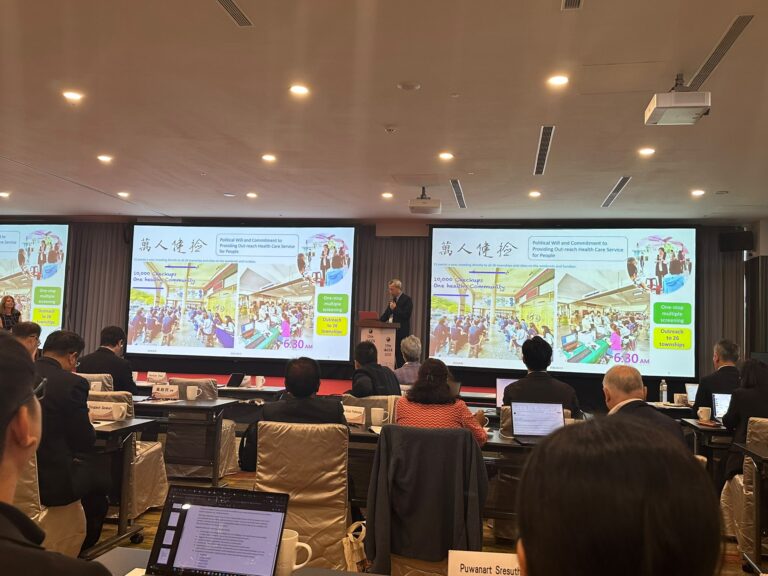
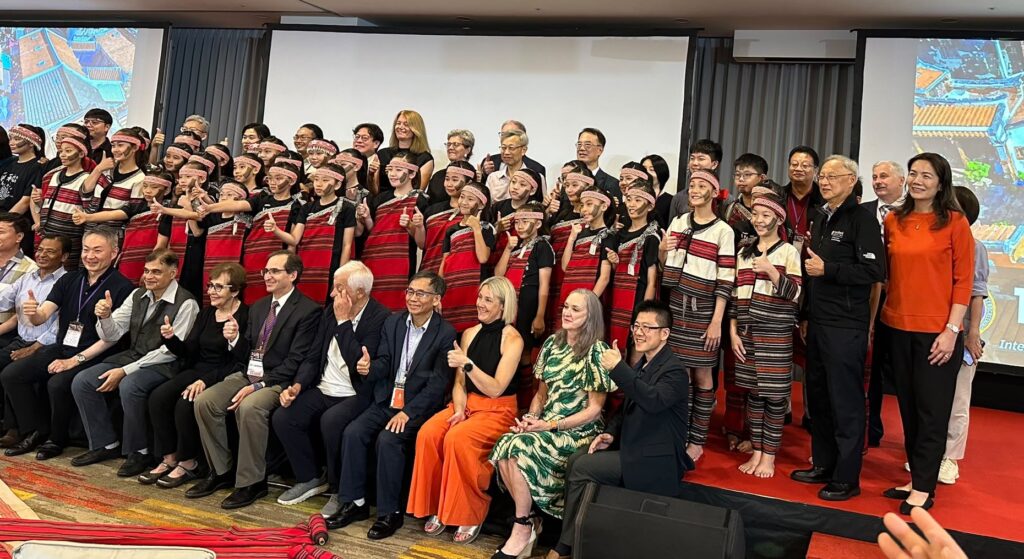
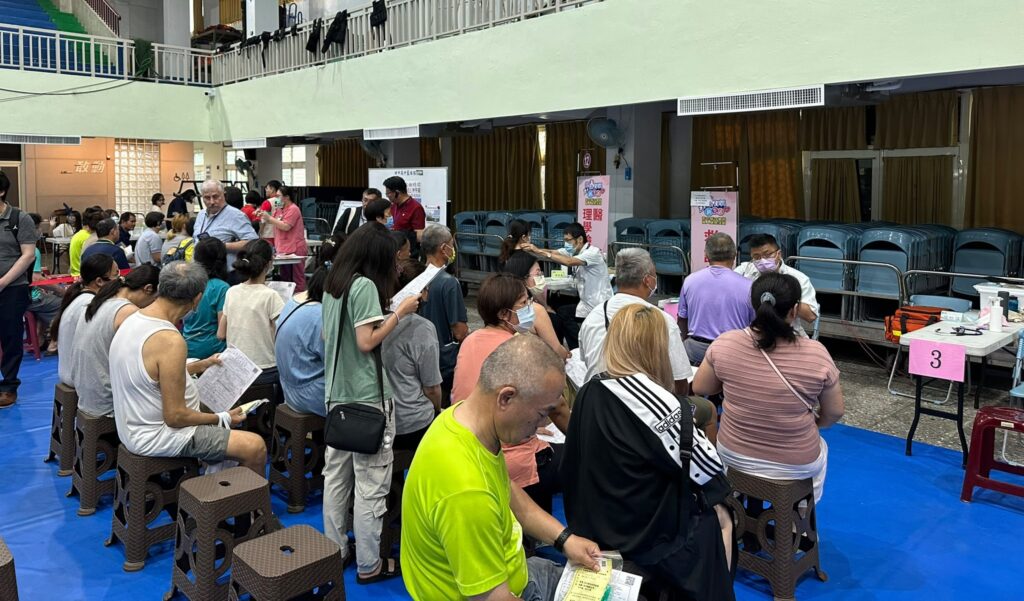
From 5 to 8 June, representatives of the University of Latvia (LU) participated in a conference in Taiwan to promote international collaboration and exchange experience with leading experts in the field of cancer screening. During a visit to Changhua County, they gained first-hand insight into a unique community-based screening model that has been developed over more than 20 years. In this approach, screening is organised in locations that are easily accessible to local residents, such as schools, community centres and other public venues. This model encourages high levels of participation, enabling hundreds of people to be screened in a single day.
IACCS
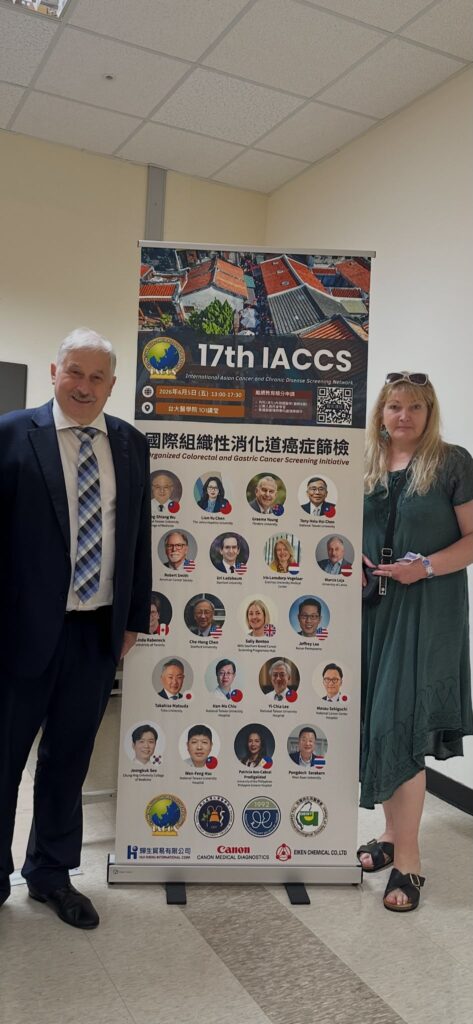
From 5 to 8 June, the 17th International Asian Cancer and Chronic Disease Screening (IACCS) conference took place in Taipei and Changhua County, Taiwan. On the third day of the conference, participants joined an on-site visit to Changhua County to observe how this comprehensive community-based screening is organised in practice. During the weekend, a local secondary school was transformed into a screening centre featuring 16 different examination and consultation stations. Nearly 500 residents attended within just a few hours.
Innovative Approaches
So far, the programme has involved approximately one-third of the local population aged 40 years and over. The model covers screening for seven of the most common types of cancer, chronic diseases, mental health conditions and physical fitness assessment. It integrates a range of innovative approaches, including artificial intelligence (AI) solutions for the analysis of large datasets and screening results, helping to provide more personalised preventive interventions. Two weeks after the examinations, participants meet with a doctor to discuss their results and agree on appropriate follow-up actions, ranging from healthy lifestyle recommendations to additional diagnostic tests, referrals to specialists or the prescription of medication.
Experts From Across the Globe
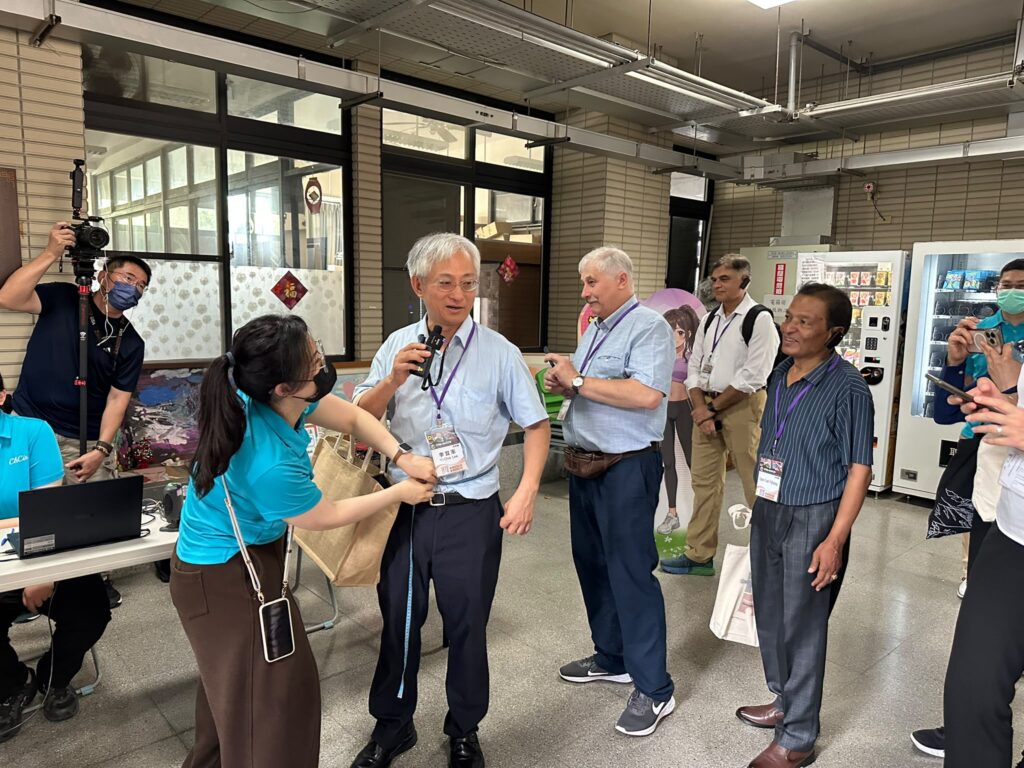
The four-day conference brought together experts from across the globe, including representatives from South Korea, Japan, Australia, the Philippines, the United States, Nepal and India. The conference focused on cancer and chronic disease screening aligned with the “4P” healthcare approach: preventive, predictive, participatory and personalised. Participants delivered scientific presentations and engaged in discussions on cancer screening, precision medicine, AI usage and effective population-based screening programmes in different countries.
Screening Programmes Across Europe
The visit took place within the framework of the Joint Action project EUCanScreen, with representation from the project’s Scientific Leader, Marcis Leja, and Project Coordinator, Iveta Enina. Professor Leja presented key lessons learned and the long-term outcomes of Latvia’s screening programme over the past decade, and chaired a session dedicated to gastric cancer screening. The insights gained during the visit will be incorporated into project activities, contributing to the further implementation and quality improvement of screening programmes across Europe.