TSM country visit to Estonia focuses on cancer screening governance
By Jad Abuhamed
A first step for the Targeted Support Mechanism
The first country visit of the Targeted Support Mechanism (TSM) took place in Tallinn, Estonia, from September 16 to 18, 2026. TSM is a horizontal activity within WP4 that connects six supporting countries with six target countries to exchange knowledge and experience on the sustainable governance and implementation of cancer screening programmes.
Six countries, one shared goal
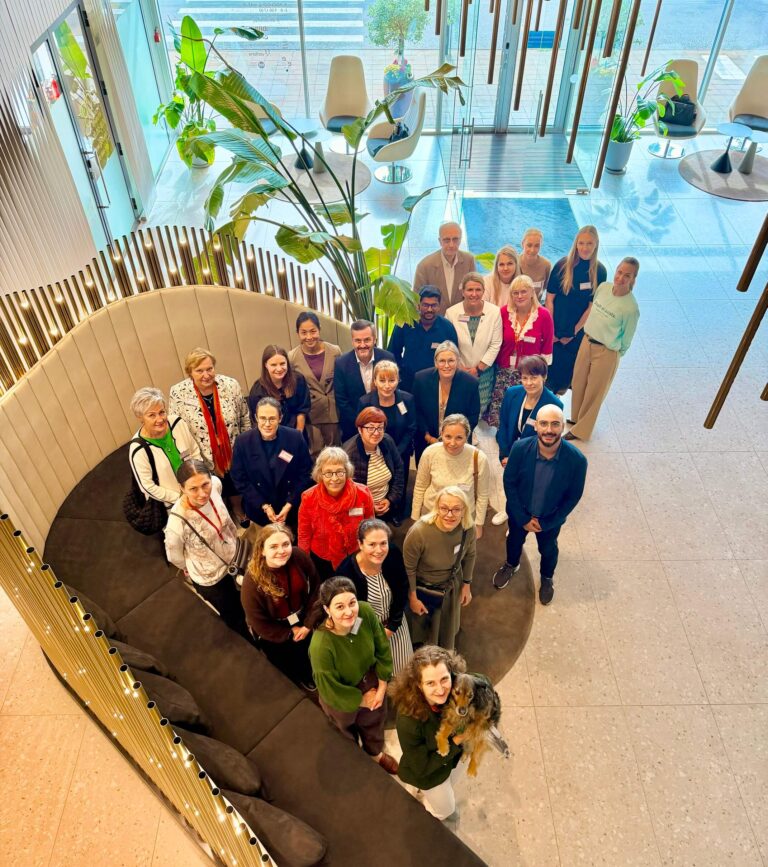
The three-day visit brought together representatives from Estonia, Sweden, Denmark, Slovenia, Finland, and the International Agency for Research on Cancer (IARC). Hosted by the National Institute for Health Development (TAI), the visit involved stakeholders from across Estonia’s cancer screening system, including representatives of the Ministry of Social Affairs, the Estonian Health Insurance Fund, university hospitals, and professional societies.
Mapping governance gaps together
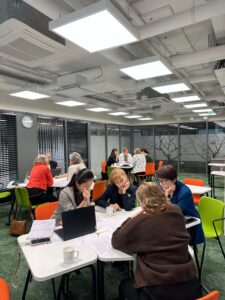
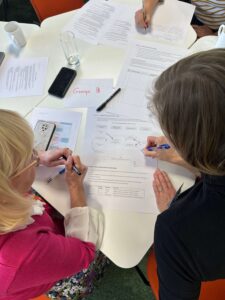
The first day featured a cancer screening governance workshop organised by the TSM team and IARC. Participants worked in five groups to examine key governance domains related to policy, stakeholder engagement, data, legislation, financing, and service delivery. They mapped the connections between stakeholders in Estonia’s screening system, identified governance gaps, and developed practical steps to address them.
From policy to practice: visiting screening providers
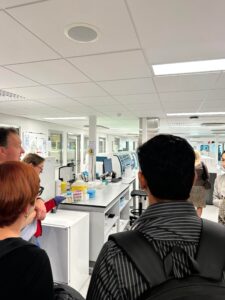
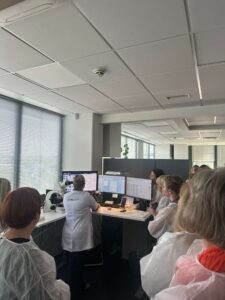
On the second day, participants visited the North Estonia Medical Centre, SYNLAB Estonia, and Mammograaf Ltd. The visits provided practical insights into colorectal, cervical, and breast cancer screening delivery and the role of service providers in ensuring programme quality.
Data, quality, and performance monitoring
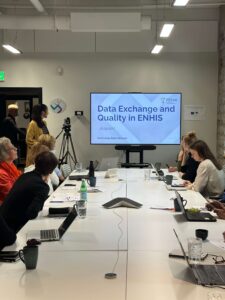
The final day was hosted by the Health and Welfare Information Systems Centre (TEHIK), with discussions on data quality, data flows, and performance monitoring. The visit concluded with a summary of findings, participant feedback, and follow-up actions.
Building a lasting peer network
By combining a governance workshop with site visits and discussions on data, monitoring, and quality assurance, the visit promoted peer learning and practical exchange. The findings and action plans developed in Tallinn will guide further cooperation under the TSM and help build a sustainable peer network that continues beyond the project.