Supporting Informed Choice Through Risk-Based Screening Communication
How tailored communication can help people make an informed choice about cancer screening.
Access to complete, balanced and evidence-based information plays a central role in cancer screening.
As screening strategies increasingly explore approaches based on individual risk, communicating these differences becomes an important consideration for healthcare professionals and programme organisers.
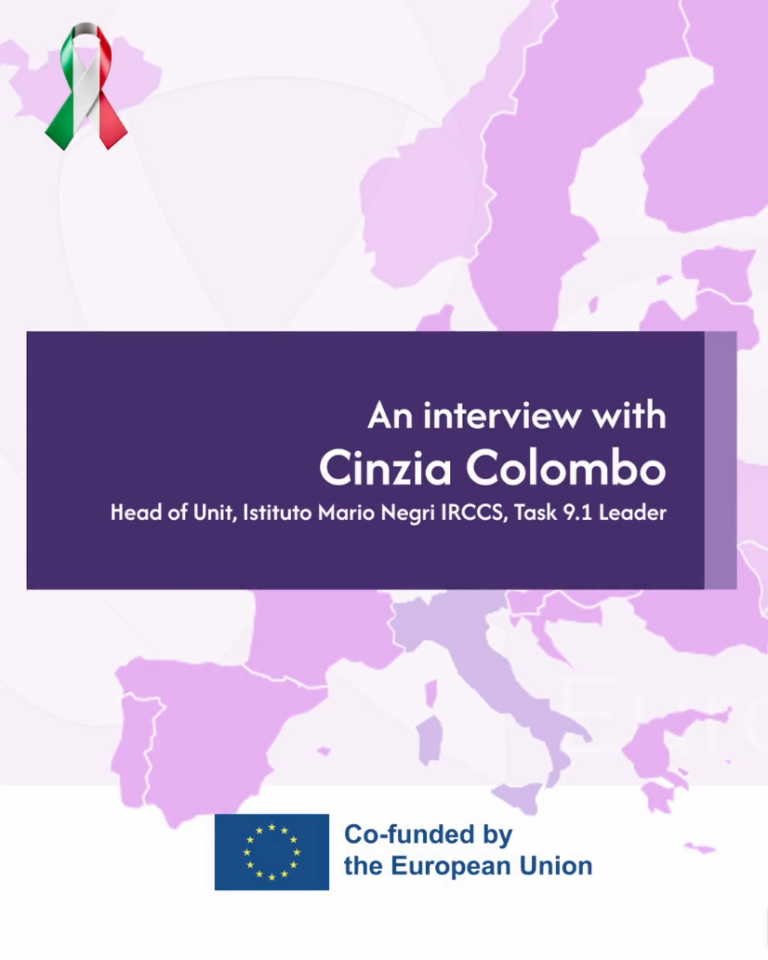
In this video interview, Cinzia Colombo, Head of Unit at the Istituto di Ricerche Farmacologiche Mario Negri IRCCS and EUCanScreen Task 9.1 Leader, discusses the role of communication in risk-based screening and the activities being developed within the Joint Action to better understand people’s information needs.
Informed choice and the importance of tailored communication
Making an informed decision about cancer screening requires access to complete and balanced information grounded in scientific evidence. This allows individuals to consider whether participation is appropriate for them, according to their own values and preferences.
People may differ in the amount of information they wish to receive, the level of detail they find useful and their interest in exploring particular aspects of screening. Social and educational backgrounds, as well as personal values, are therefore important considerations when developing communication materials.
Tailoring communication to these differences can help people make an informed choice about whether to participate in screening.
Understanding people’s perspectives on risk-based screening
Within EUCanScreen Work Package 9, Task 9.1 focuses on identifying effective approaches to communicating risk-based screening.
The activities include a review of scientific literature to examine existing evidence on how these screening approaches can be communicated to the public.
Alongside this work, focus groups involving people from different European countries are planned to explore their information needs, attitudes towards risk-based screening and willingness to participate.
These discussions will provide an opportunity to gather perspectives directly from the people receiving screening information, contributing to a better understanding of how communication can respond to different expectations and contexts.
Developing shared approaches to screening communication
The evidence gathered through the literature review and focus groups will provide a basis for discussions within a multidisciplinary group on best practices for communicating risk-based screening.
As Cinzia Colombo highlights, these activities are part of a broader effort to ensure that screening communication is consistent across organisations, balanced and grounded in scientific evidence.
This work will contribute to identifying shared principles for communicating risk-based screening, drawing on scientific evidence and the perspectives of the people concerned.
Informed screening decisions begin with information people can understand, evaluate and trust.
Subscribe to our newsletter to get news and updates.
Views and opinions expressed are however those of the author(s) only and do not necessarily reflect those of the European Union or European Health and Digital Executive Agency (HaDEA). Neither the European Union nor HaDEA can be held responsible for them.
This website is managed by 6th DYPEDE, Greece.






This project has received funding from the European Union’s EU4HEALTH Programme under the Grant Agreement no 101162959